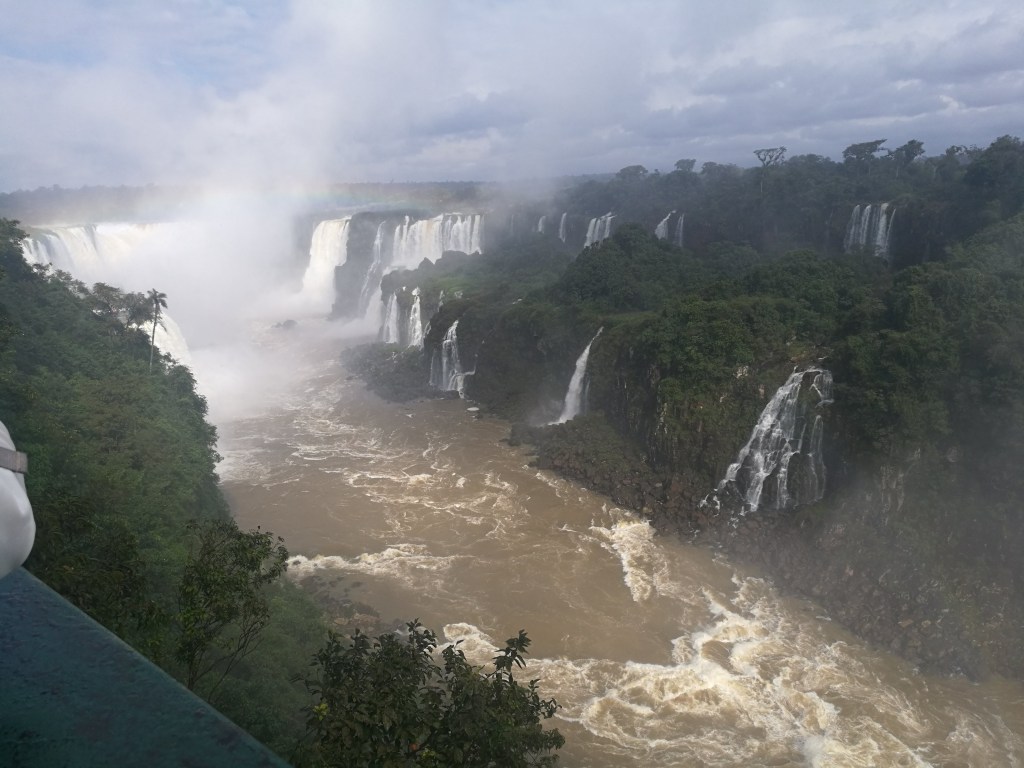
Iguazu falls. We really had no expectations about them beforehand. Having seen lots of waterfalls on our travels before, maybe we weren’t expecting to be too blown away. But WOW! This ranks as one of the best things we’ve seen on the trip so far. We’ll recount a few logistical bits and bobs and then rant about their amazingness after that.
Flying from Buenos Aires to Iguazu is cheap and easy. However, we decided to take an 18 hour bus for s**ts & giggles. Honestly, it was purely for saving on a night’s accommodation and around £20 for the bus versus the flight.
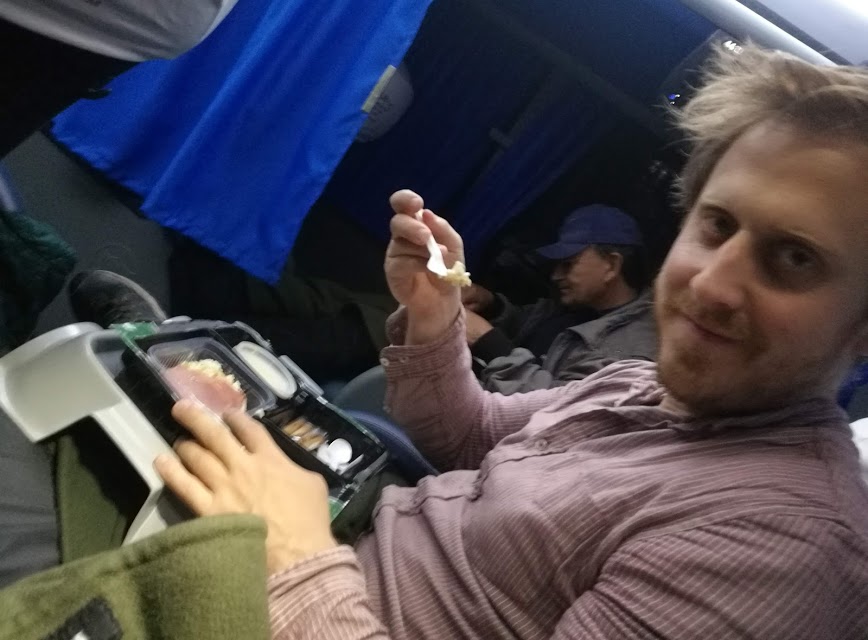

Retiro bus station is a bit drab and dreary, especially at night, and we were warned about keeping an eye on all our things. Our initial views were that the night bus might be a bit rubbish. However we were mildly surprised. We got camas (fully reclining seats) as opposed to semi-camas (err just seats) and we were even served dinner, with a choice of wine or coke. We also got breakfast! This was bizarrely some dry crackers and chocolate. That said it was a nice gesture. We slept through much of the trip and arrived in Puerto Iguazu feeling well rested.
We were given some advice that, if you are staying in Puerto Iguazu (in Argentina), it’s a good idea to book a cab driver to take you to Brazilian side as you get a very different view of the falls depending on whether you are viewing them from Brazil or Argentina. We found a good driver who was able to take us to all places we wanted to go – the massive Itaipu dam, the falls and the Parque das Aves (bird park) – for 2000 pesos.
*Important to note, you don’t need a visa to enter Brazil from Argentina for the falls if you’re British. Your passport gets stamped and that’s all.
Day 1
Itaipu Dam
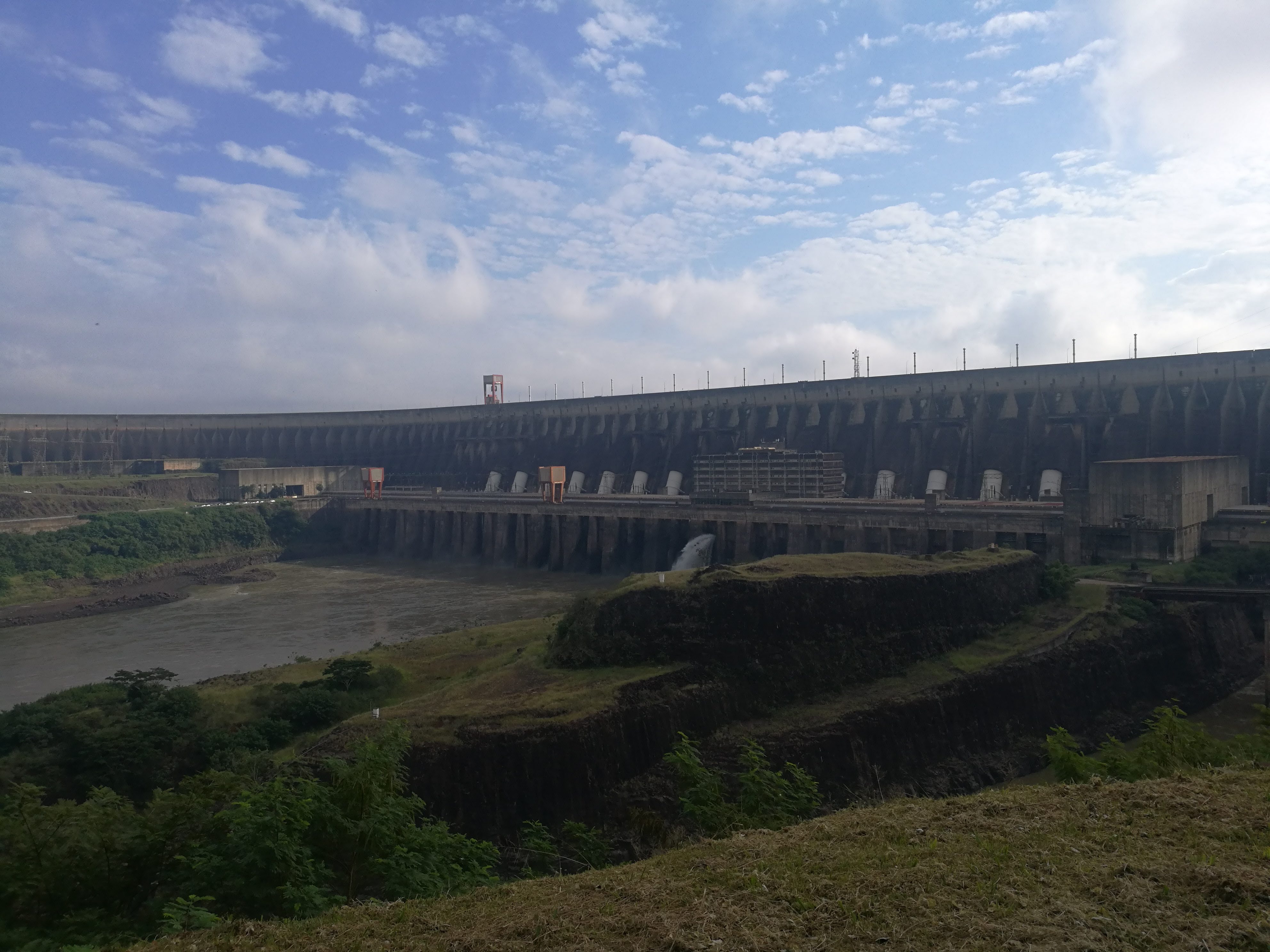
The Itaipu Dam is the largest producer of hydroelectric energy on the planet and has been named one of the seven modern wonders of the world. This mind-boggling human-made beast sits on the Paraguay/Brazil border and is a joint venture between the two countries, generating 15 per cent of the energy used in Brazil and 90 per cent of the energy used in Paraguay!
Unsurprisingly, tourists can’t wander around this piece of critical infrastructure willy nilly so you need to book onto a double decker bus tour. The dam complex is pretty damn (lol) vast and a bit weird – like Dr Evil’s lair. Gangs of workers either live on site or travel in for the day in trucks to patch things up and keep things ticking over. There are endless logos in prominent places emphasising that this dam is a joint gig between Paraguay and Brazil. The tour is informative enough but didn’t touch on the politics of the agreement (err disagreement) between these two countries over how much the larger of them pays the other one for the excess energy it produces.
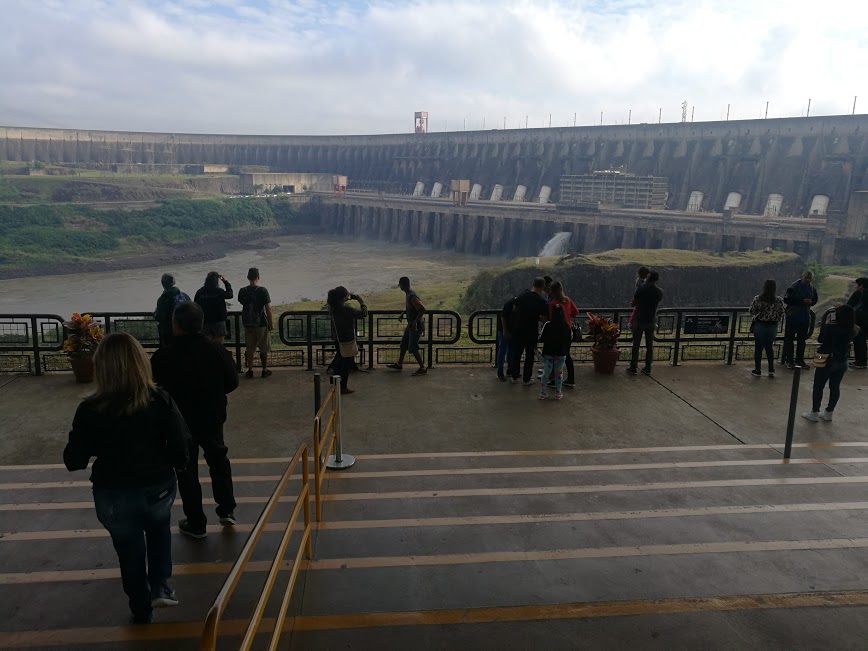
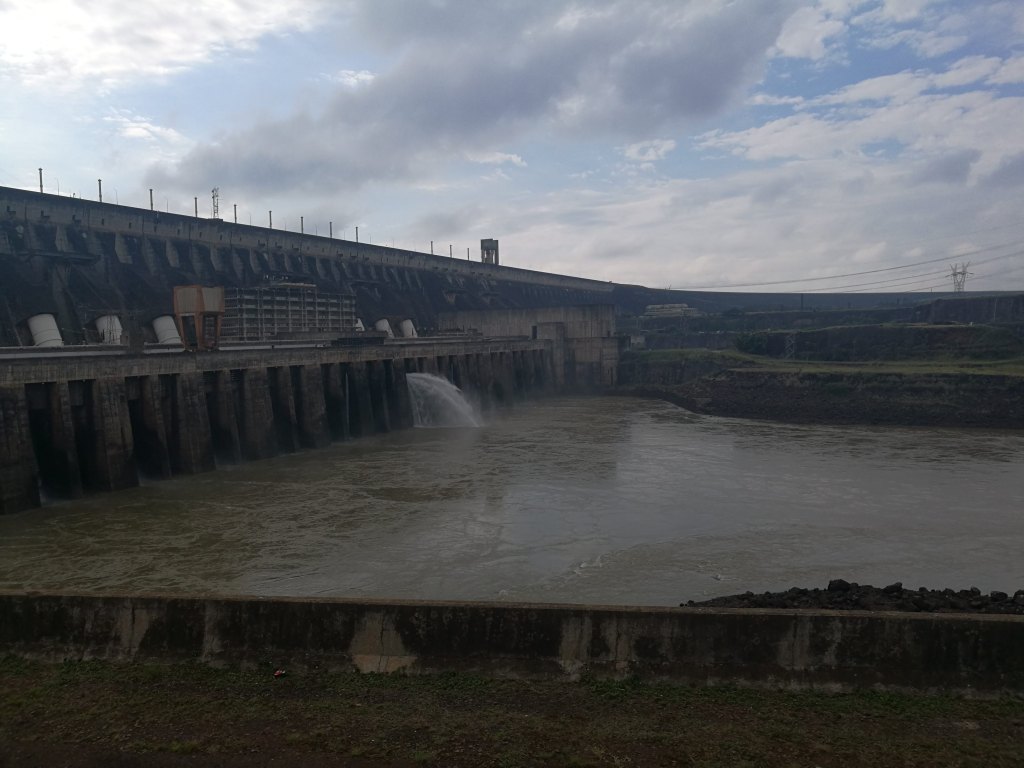
When we looked into it afterwards we read that the agreement governing the power produced by this dam are hugely distorted in the favour of Brazil. Any energy that Paraguay creates that isn’t used has to be sold back to Brazil at production rather than market rate. Paraguay only uses 12.5 per cent of the 50 per cent i.e. 6.25 per cent of the total electricity created, meaning that they’re missing out on billions of income they’d get if they were allowed to sell to other countries such as Argentina. The President of Paraguay considers the deal so unfair that he has mooted appealing to The Hague to try to have the contract challenged in court. Brazil apparently gave some ground after he kicked off but a full renegotiation is planned for 2023 when Paraguay will surely seek fairer terms. Read more here and here.
Iguazu Falls – The Brazilian Side
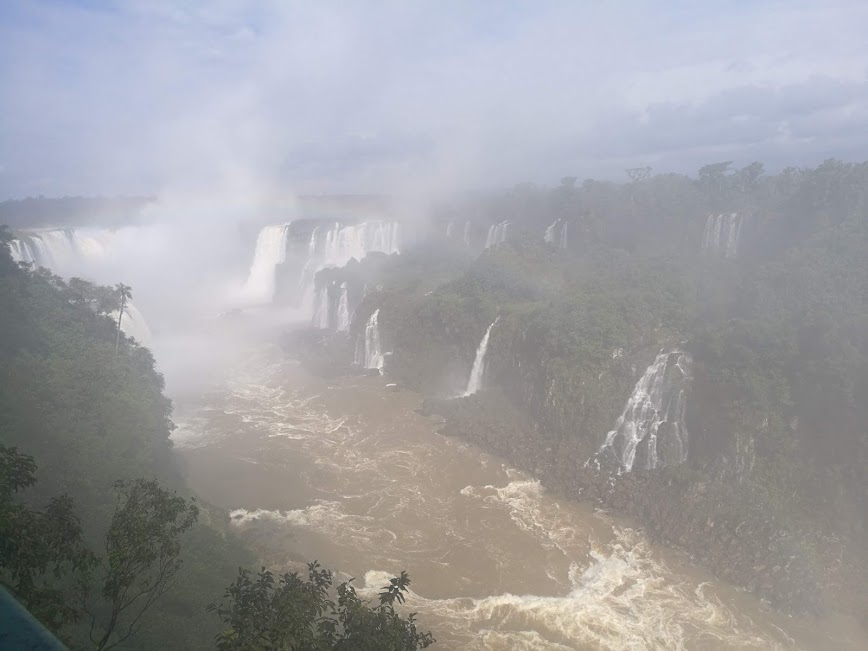
The views of the waterfalls were undeniably spectacular. The huge amount of water cascading down really was incredible with an uncountable number of waterfalls stretching across the horizon for as far as you could see.
The trail leads you through various viewpoints, interspersed with various “animals”- It’s very orchestrated as you’d expect but still feels raw and full of energy. The end point of the trail is very interactive and very special but I won’t spoil that. Here are some selected photos without the ending.
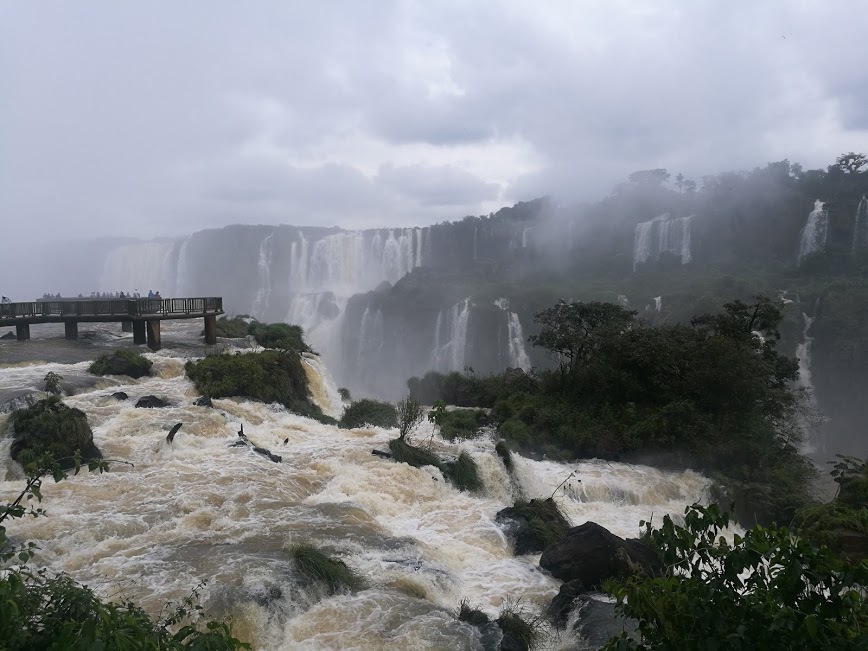
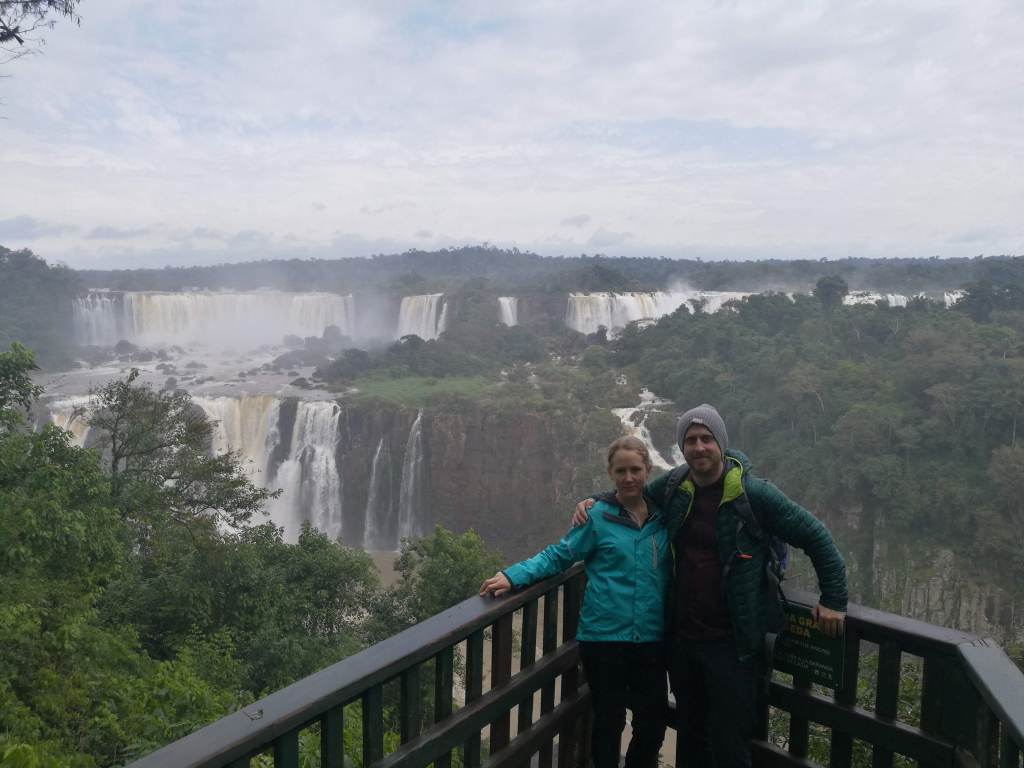
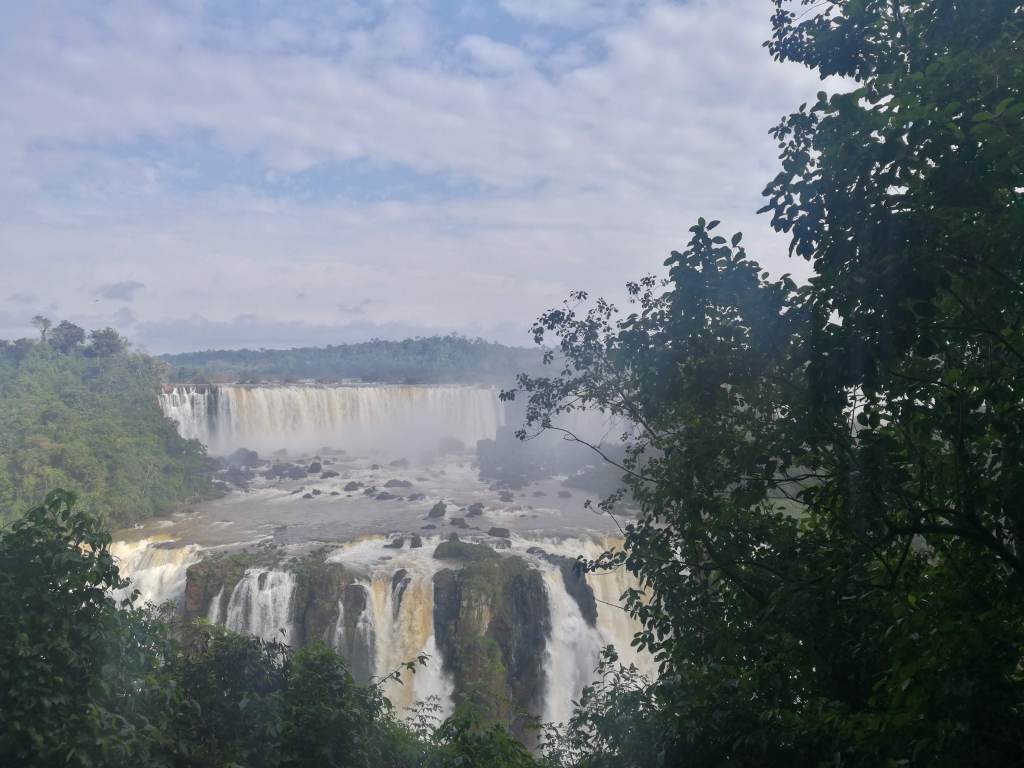
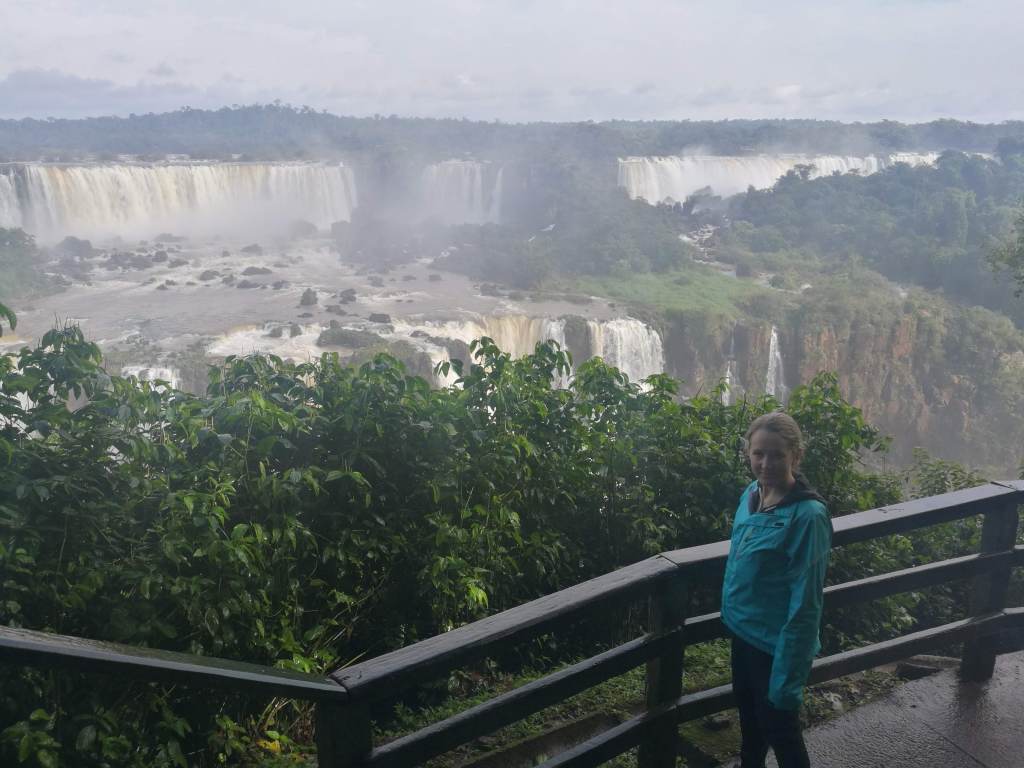

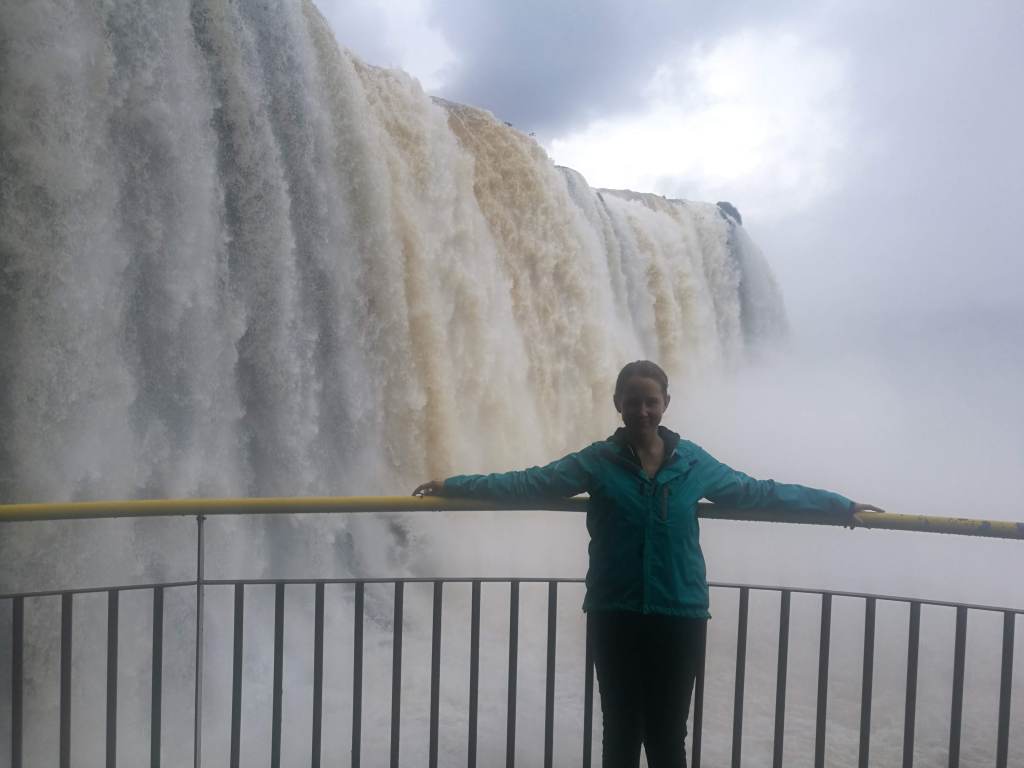
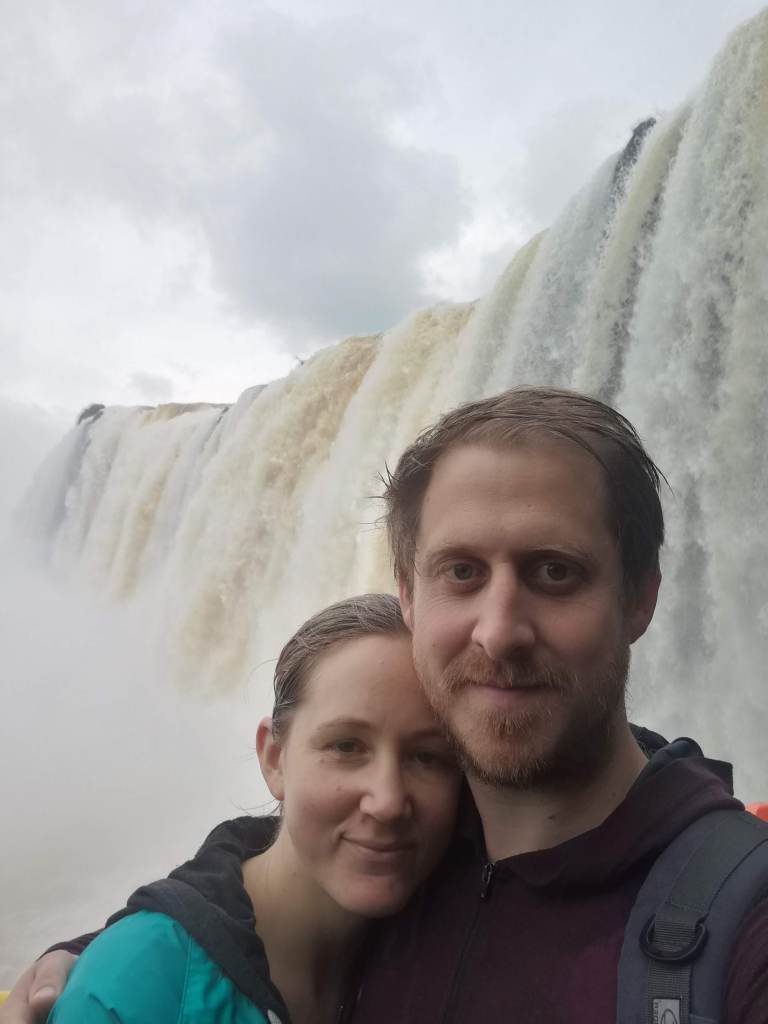
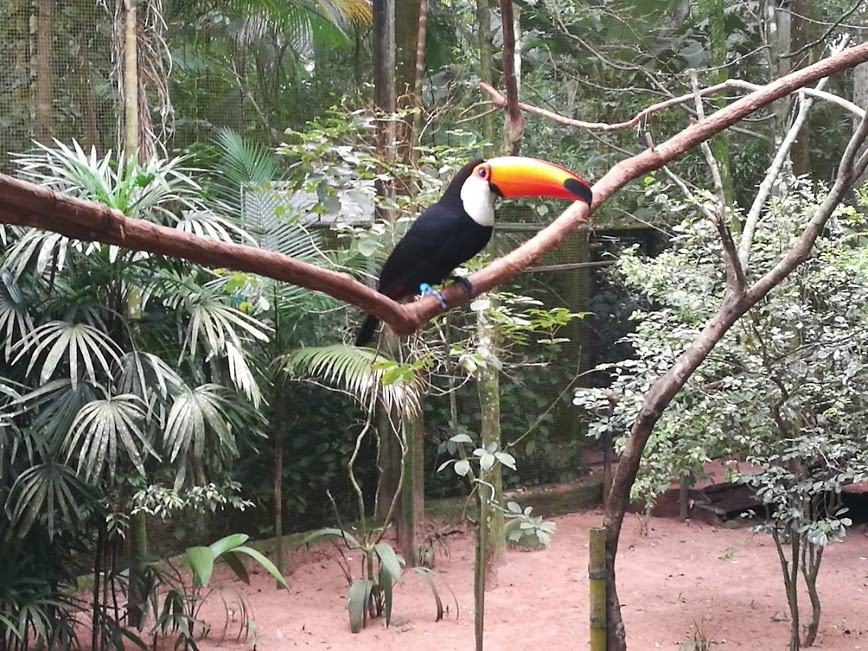
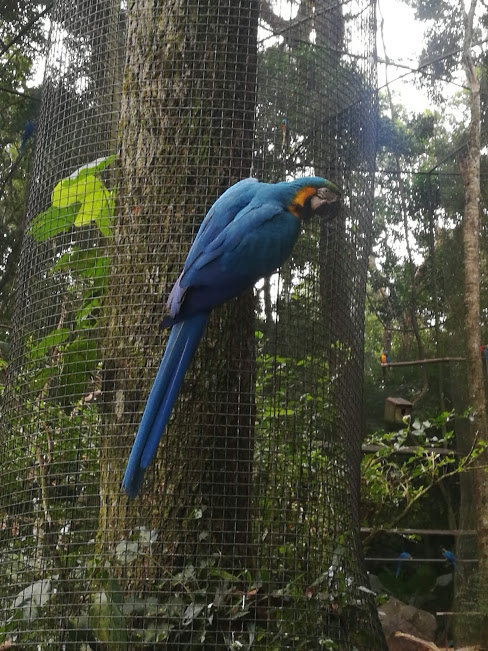
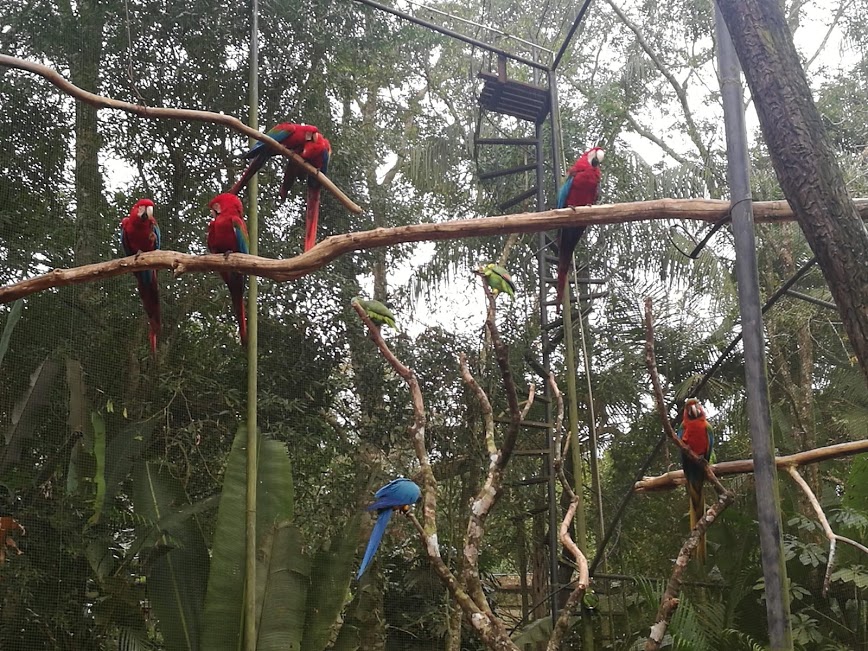
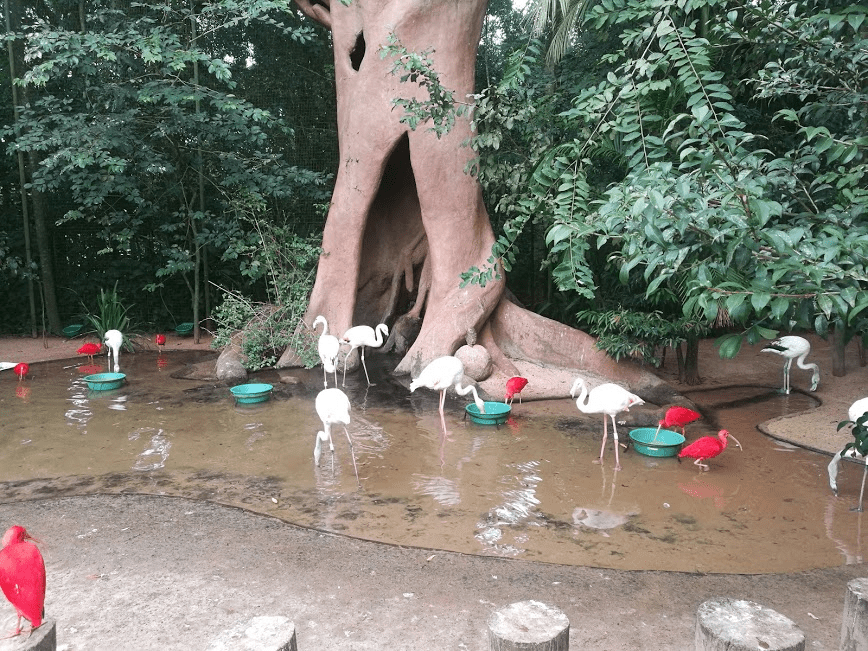
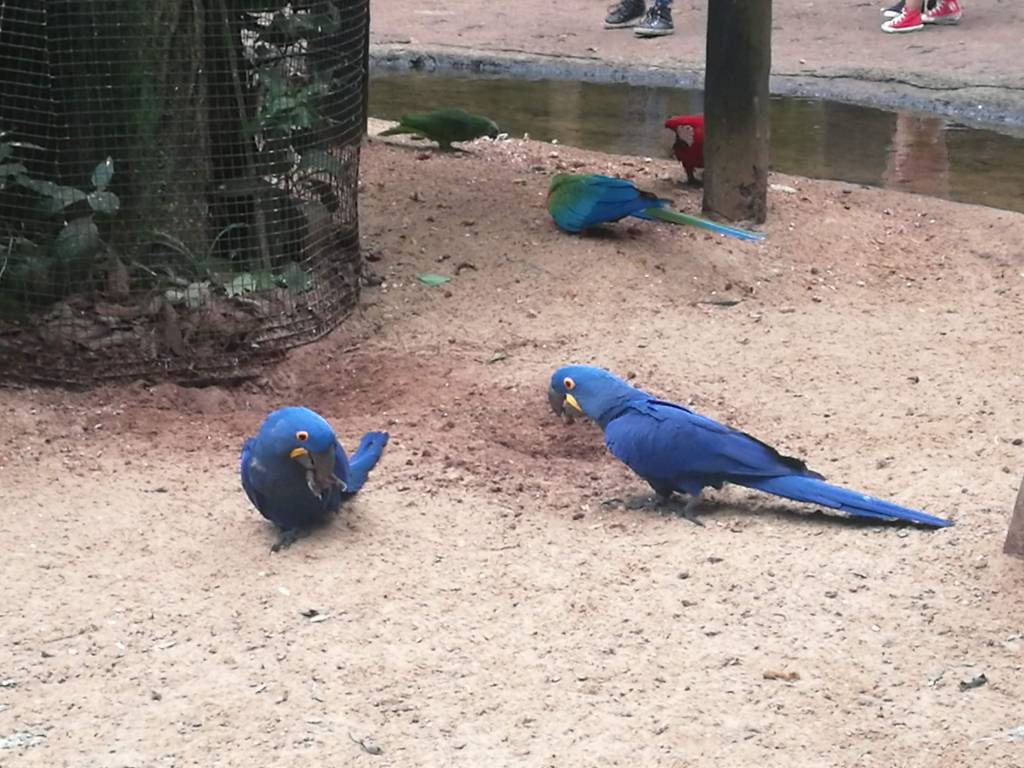
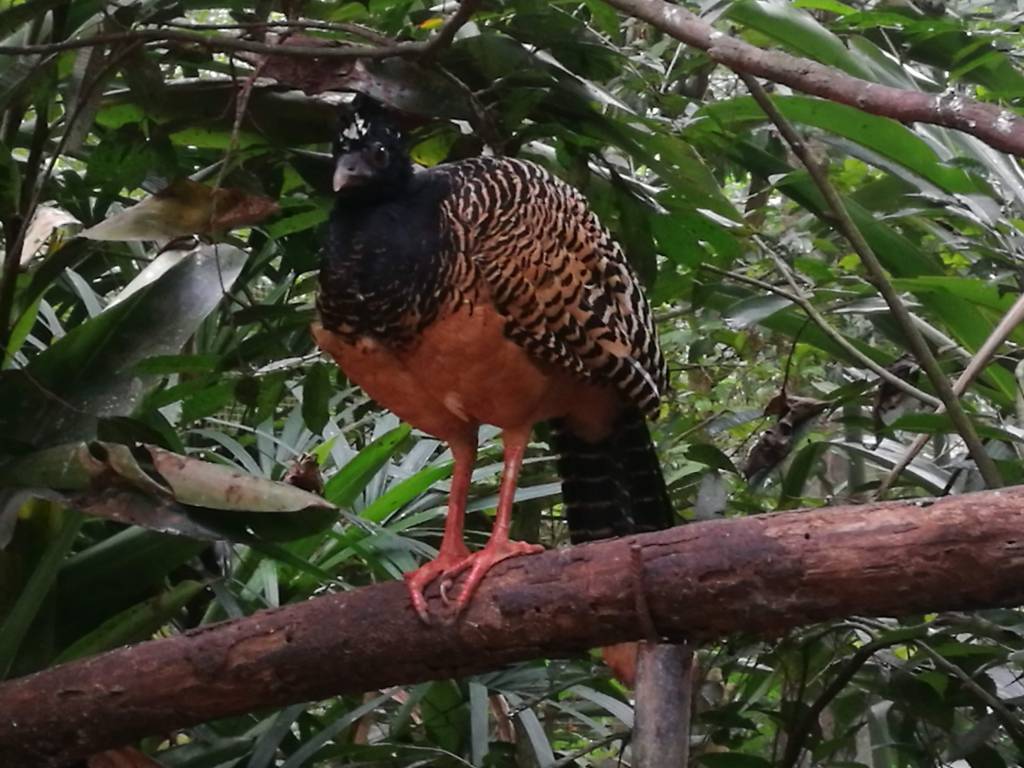
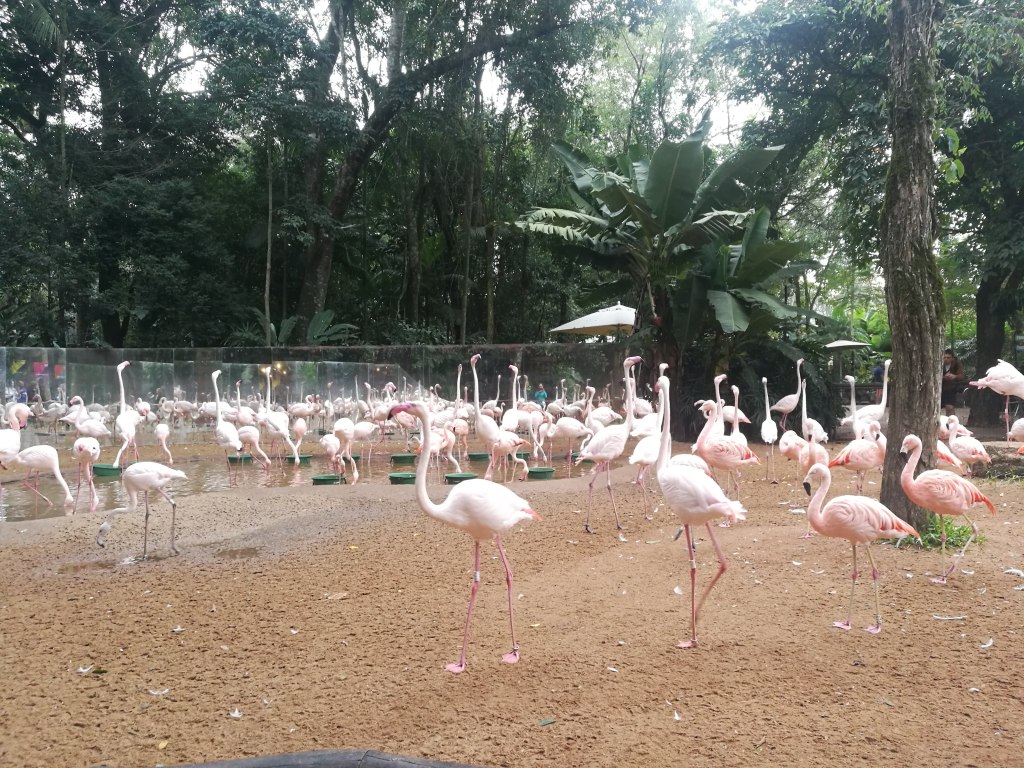
After deciding not to eat in the classically overpriced restaurant at the end of the trail, we headed back and went to the Parque Das Aves which is right next to the falls entrance. In keeping with the rest of the day it was incredible!
One element that the Brazilian side lacks is that one, for the most part, feels distant from the waterfalls, as if you’re missing something. The complete energy, smell, noise, sensation of being near a natural beast of power. This is where the Argentinian side, it became clear the following day, comes into play. Wowser in me trousers.
Parque Das Aves
I should say I’m massively against caged animals, unless necessary. However this was pretty special and was, to me, the least bad version of caging animals – the cages had plenty of space and the birds could fly quite easily. Additionally, you can walk within many of the cages. In particular, the parrot cage is something worth mentioning – there are numerous types of colourful parrots in the cage which tend to divebomb at you, screeching madly, and dart out of the way at the last moment – a unique and exhilarating experience which I’ve never had before.
Day 2
Iguazu Falls – The Argentinian Side
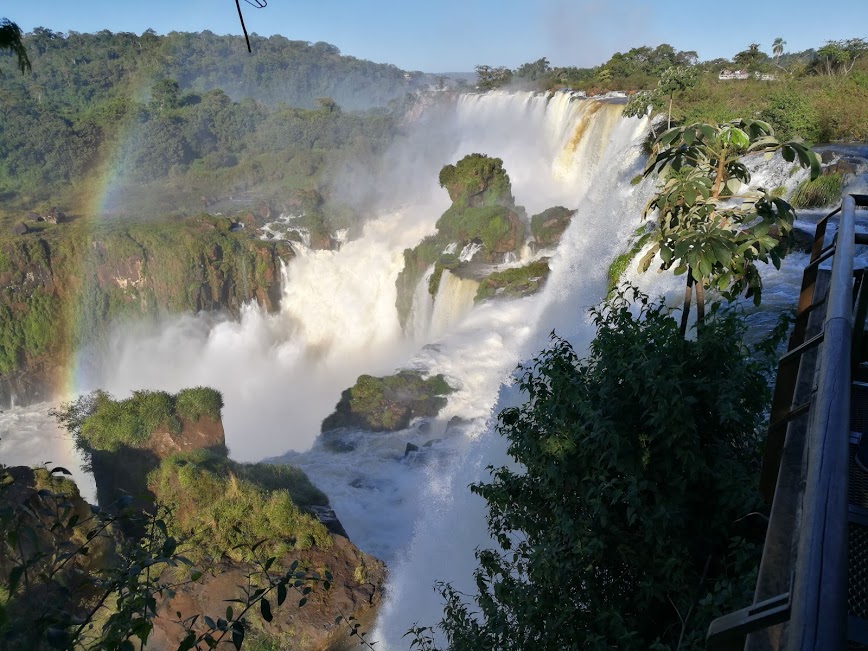
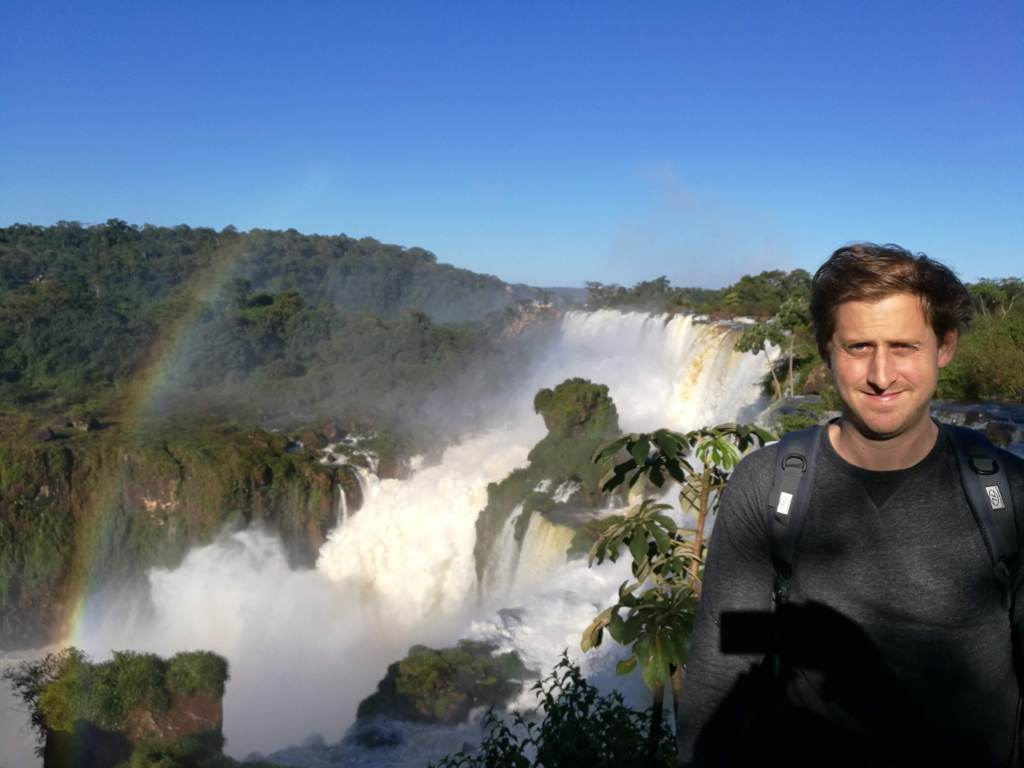
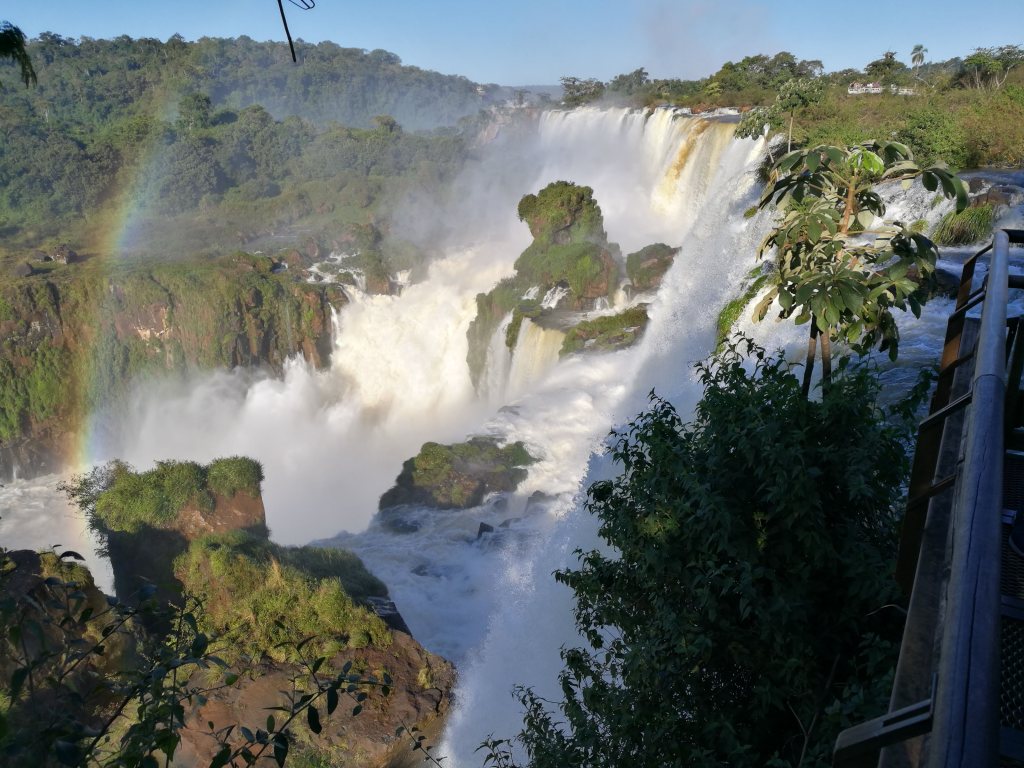
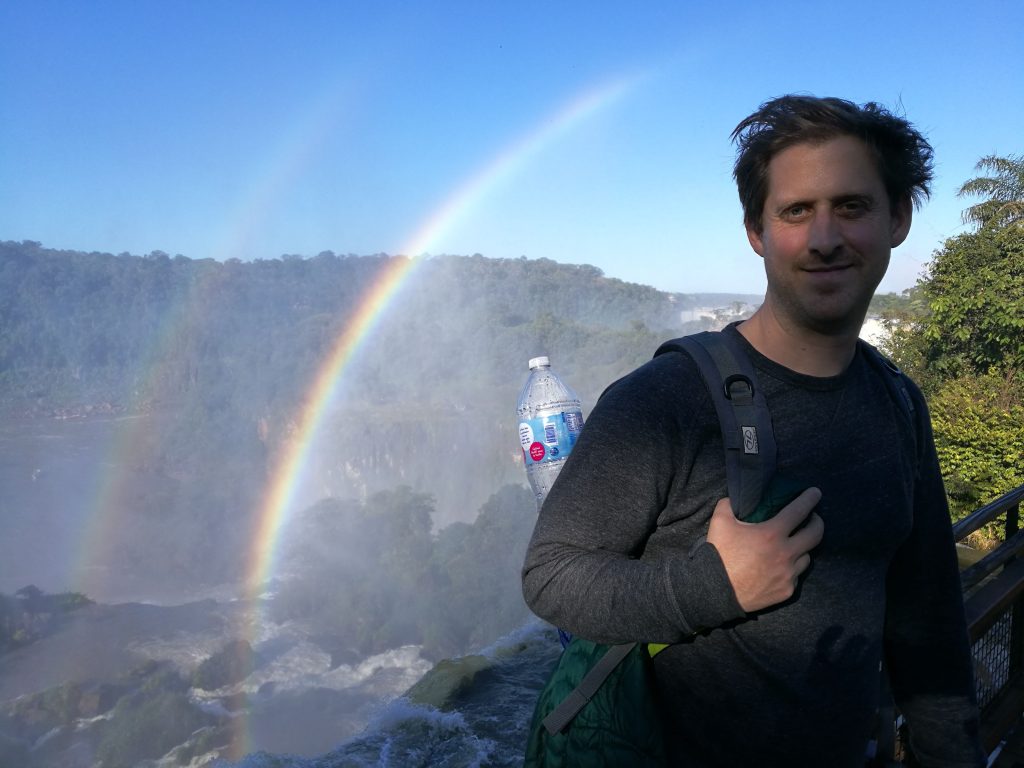
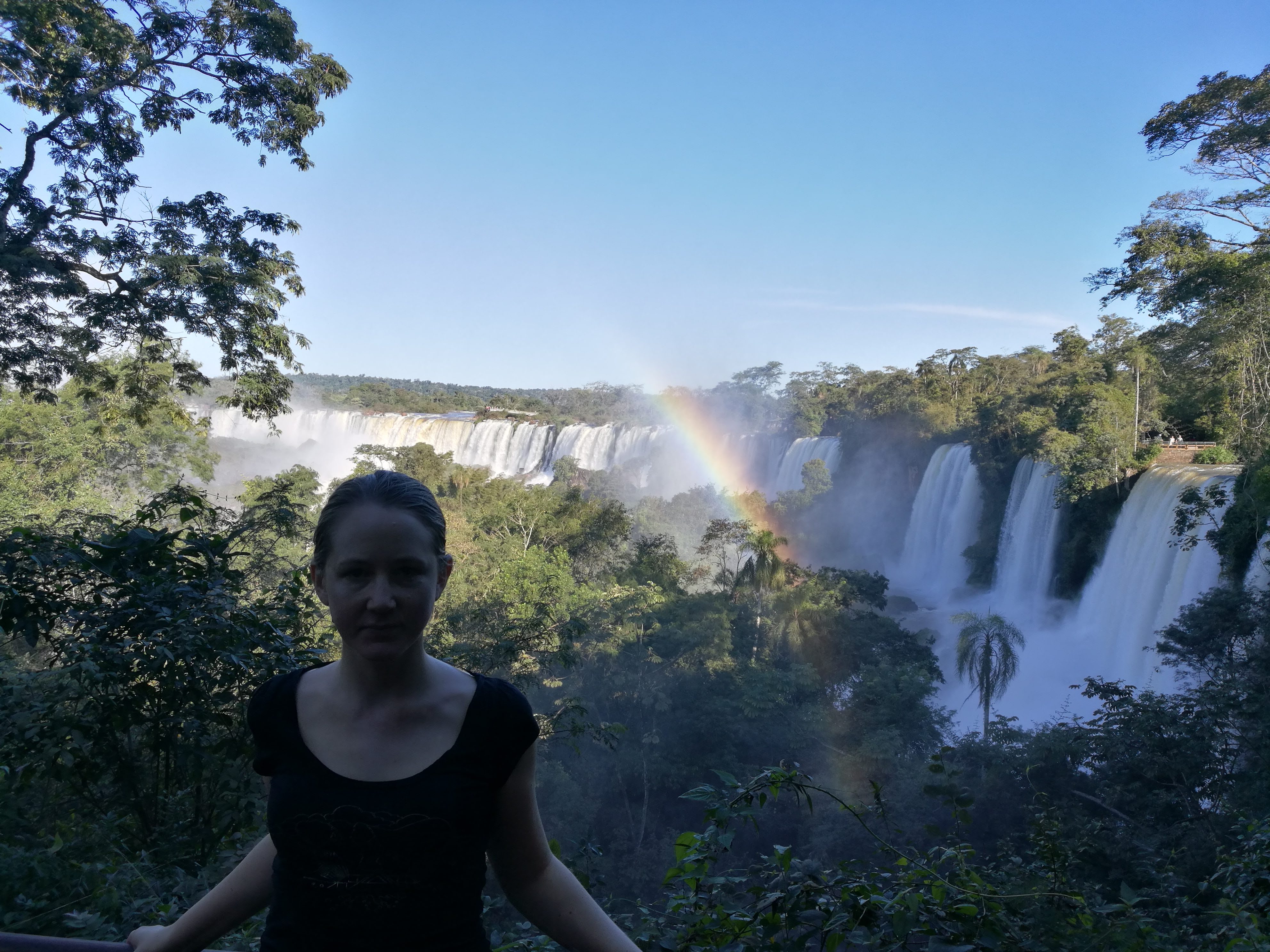
*The Argentinian side you can get a bus to – no need for a taxi. Simply go to the bus station in Puerto Iguazu and there are frequent buses to the falls (“en el lado argentino”).
Once there it’s a similar cost to the Brazilian side but involves walking and it not linear as the Brazilian side is. On the Argentinian side you are able to get up close and personal with the falls which leaves you soaked but is spectacular and exhilarating. It’s an incredible experience and you need at least 3-4 hours to explore the different falls and have a proper ogling of the Devil’s Throat.
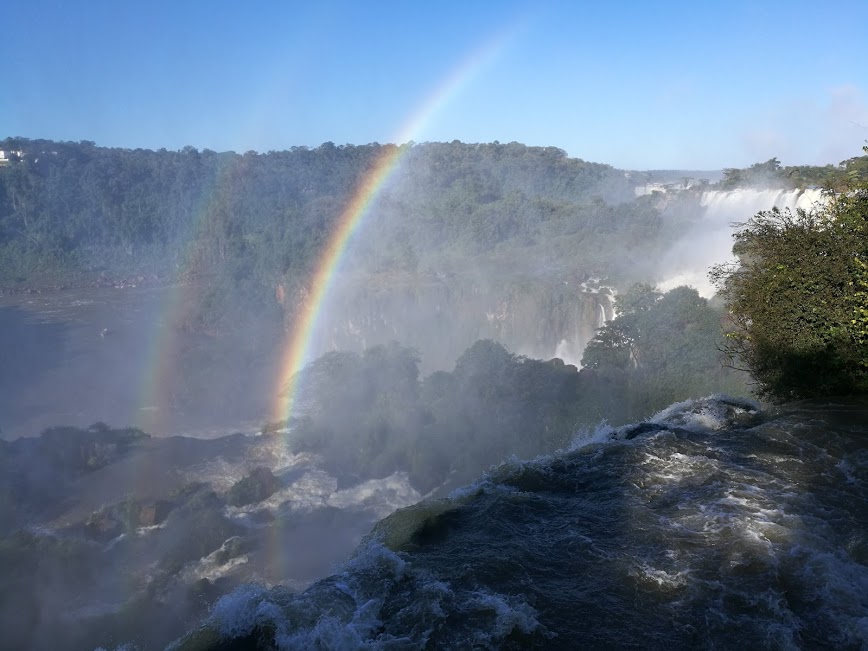
When there’s sun, you’re guaranteed a rainbow which makes the whole experience even more memorable.
After Devil’s throat, we continued to walk around to see the other parts of the falls, less glamourous than the Devi’s Throat but still very impressive and unique. Turning a corner and seeing a new part of the falls from another viewpoint keeps things interesting. If you’re into taking selfies you can fill your boots here (and many people did). After we’d gawped at the falls enough, we jumped back on the tram to the entry of the park and then back on the bus to Puerto Iguazu.
The Argentinian side is more expansive than the Brazilian side, both in the options of seeing the waterfalls and the walking trails. The main differences are that on the Argentinian side the views are from above looking down onto the waterfalls, whereas on the Bazilian side you are looking at the waterfalls from the other side. On the Argentinian side you are significantly closer to the falls so you get more than just the view – the energy, noise, feeling the spray in the air etc. We were actually pretty surprised how close to the action you can get on the Argentinian side. Makes you feel pretty insignificant and tiny!
Without doubt, we’d recommend experiencing Iguazu – the falls are something so unique and breathtaking. Even though you have to go out of your way to get there from other areas of Argentina or wherever else you are in south America, they’ll leave a lasting memory.


 South American stories